The Truth About the Galaxy Buds3 Truly Wireless: Pros, Cons, and Verdict
The landscape of the truly wireless stereo (TWS) market has shifted dramatically over the last decade. What began as a niche accessory for early adopters has evolved into an essential everyday tool for professionals, commuters, and fitness enthusiasts alike. For years, Samsung maintained a distinct design philosophy for its audio lineup, favoring the "bean" or "bud" shape that nestled entirely within the concha of the ear. However, with the release of the Galaxy Buds3 Truly Wireless, the company has made a pivot that is as controversial as it is functional. By adopting a stemmed "blade" design and an open-ear fit, Samsung is challenging the status quo of its own ecosystem while directly competing for the attention of users who find traditional silicone ear tips uncomfortable.
This transition marks more than just a cosmetic change; it represents a fundamental shift in how Samsung approaches acoustic engineering and user ergonomics. The Galaxy Buds3 are designed for a specific type of listener—one who prioritizes environmental awareness and long-term wearing comfort over the hermetic seal of an in-ear monitor. In this deep dive, we explore whether this bold new direction delivers on its promises or if the trade-offs required for an open-air design are too significant for the discerning audiophile to overlook.
Design and Ergonomics: The Blade Evolution
The most immediate talking point of the Galaxy Buds3 is the "Blade" design. Moving away from the rounded silhouettes of the Buds2 or Buds Pro series, the Buds3 features a sharp, angular stem. This isn't merely an aesthetic choice inspired by futuristic architecture; it serves a practical purpose. The stems house the touch-sensitive sensors for "pinch" and "swipe" controls, moving the interaction point away from the ear canal. This is a significant improvement for users who frequently found themselves accidentally triggering commands or pushing the earbuds deeper into their ears when trying to adjust playback on older models.
The ergonomics of the Buds3 are centered around the open-ear fit. Unlike the "Pro" version of this generation, the standard Buds3 does not have silicone tips. They rest on the outer part of the ear canal rather than being inserted into it. This design is a godsend for individuals who suffer from "ear fatigue" or those who find that silicone tips cause itching, pressure buildup, or a sense of occlusion (the feeling of being underwater). Because these buds do not seal the canal, air can circulate freely, making them viable for six-hour marathons of podcasts or back-to-back virtual meetings without the usual discomfort.
Build Quality and Durability
Samsung has utilized a mix of matte and glossy plastics that feel premium to the touch. The stems feature a subtle light strip—referred to by some as "Blade Lights"—which adds a touch of modern flair, though their primary function is more about visual identity than utility. More importantly, the Buds3 carry an IP57 rating for dust and water resistance. This is a notable step up from many competitors in the open-ear category. An IP57 rating means the buds are protected against limited dust ingress and can withstand immersion in up to one meter of fresh water for 30 minutes. For the athlete, this means sweat and rain are non-issues, though the charging case itself is not waterproof and should be handled with care.
Audio Performance and Computational Sound
Achieving high-fidelity sound in an open-ear design is an uphill battle for any engineer. Without a physical seal to trap air pressure, low-end frequencies (bass) naturally escape before they reach the eardrum. To combat this, Samsung has implemented a sophisticated suite of computational audio technologies. The Galaxy Buds3 utilizes an 11mm dynamic driver powered by an enhanced diaphragm, but the real heavy lifting is done by the Adaptive EQ and Adaptive ANC systems.
The internal microphones constantly monitor how the earbud is sitting in your ear and how sound is reflecting off your unique anatomy. The AI-driven software then adjusts the frequency response in real-time to compensate for the lack of a seal. When listening to bass-heavy tracks, you can actually feel the software boosting the sub-bass to provide a punch that shouldn't technically be possible for an open-ear design. While it won't rattle your brain like a pair of high-end over-ear headphones, the kick drums in pop tracks and the rumble of cinematic scores are surprisingly present and well-defined.
Mids and Highs
Where the Galaxy Buds3 truly shine is in the mid-range and treble clarity. Because there is no silicone barrier to muddy the sound, vocals feel airy and forward. Guitars have a crisp "snap" to them, and orchestral strings maintain their shimmer without becoming piercing. This makes the Buds3 an exceptional choice for acoustic music, jazz, and spoken-word content like audiobooks or news briefings. The soundstage is also naturally wider than closed-back earbuds, giving the listener a better sense of spatial placement—where instruments feel like they are positioned around the head rather than inside it.
Looking for the best Audio & Headphones deals on Amazon?
Browse Now →Active Noise Cancellation in an Open Design
It sounds like a paradox: Active Noise Cancellation (ANC) on an earbud that doesn't seal the ear. Traditionally, ANC relies on "passive isolation" (the physical blockage of sound) to do 50% of the work. With the Galaxy Buds3, the ANC has to work much harder. Samsung's implementation is designed to target low-frequency hums—the drone of an airplane engine, the whir of an air conditioner, or the distant rumble of traffic.
In real-world testing, the ANC on the Buds3 is effective but subtle. It significantly reduces the "clutter" of background noise, making it easier to focus on your music at lower volumes. However, it will not silence a crying baby on a plane or the sharp clatter of a mechanical keyboard in a quiet office. This is a deliberate design choice. The Buds3 are for people who want to stay connected to their environment. If you are walking through a busy city, the ANC will dial back the roar of the bus while still allowing you to hear a car horn or a pedestrian's greeting. It is "lifestyle" cancellation rather than "isolation" cancellation.
Features and the Galaxy Ecosystem
As expected, the Galaxy Buds3 are deeply integrated into the Samsung ecosystem, though they function as standard Bluetooth 5.4 earbuds for any device. For those with a Galaxy smartphone or tablet, several exclusive features elevate the experience:
- Auto Switch: Seamlessly move audio from your Galaxy Tablet to your Galaxy Phone when a call comes in.
- Galaxy AI Interpreter: Use the earbuds as a private translator. In "Listening Mode," the buds can provide a real-time translation of a speaker directly into your ear during a lecture or tour.
- 360 Audio: Utilizing head-tracking technology, this feature creates a multi-channel surround sound experience for movies and shows, making it feel like the sound is coming from the screen regardless of how you turn your head.
- Find My Buds: Integrated with the SmartThings Find network, allowing you to locate a lost bud even if it is offline, using the proximity of other Samsung devices.
The Comparison: Buds3 vs. The Competition
To understand where the Galaxy Buds3 sit in the current market, it is helpful to look at how they compare to both their predecessor and their primary rival in the open-ear space.
| Feature | Galaxy Buds3 | Galaxy Buds2 | Industry Standard (Open-Ear) |
|---|---|---|---|
| Fit Type | Open-Ear (Stem) | In-Ear (Tip) | Open-Ear (Stem) |
| ANC | Yes (Adaptive) | Yes (Standard) | Rare / Limited |
| Water Resistance | IP57 | IPX2 | IPX4 |
| Battery (Buds/Case) | 5h / 24h (ANC on) | 5h / 20h (ANC on) | 6h / 30h |
| Bluetooth Version | 5.4 | 5.2 | 5.3 |
| Hi-Res Audio | Up to 24-bit / 96kHz | Limited | Standard 16-bit |
Pros and Cons
Every piece of technology involves trade-offs. The Galaxy Buds3 are a highly specialized tool that excels in specific areas while falling short in others. Below is a breakdown of what makes them great and what might give potential buyers pause.
Pros
- Unmatched Comfort: The open-ear design removes the pressure and heat buildup associated with traditional ear tips, making these some of the most comfortable earbuds for long-term wear.
- Superior Call Quality: The stem design places the microphones closer to the mouth, and Samsung’s machine-learning algorithms do an excellent job of isolating your voice from wind and background noise.
- Robust Durability: The IP57 rating is industry-leading for this style of earbud, providing peace of mind for outdoor use and intense workouts.
- Modern Control Scheme: The pinch-and-swipe controls are intuitive and prevent the "thumping" sound in the ear that occurs with tap-based controls on in-ear models.
- Galaxy AI Integration: For Samsung users, the real-time translation and seamless switching features provide a "force multiplier" effect for productivity.
Cons
- Lack of Passive Isolation: Because they don't seal the ear, you will always hear some of the world around you. This makes them poor choices for loud environments like construction sites or noisy gymnasiums.
- Bass Limitations: While the AI EQs help, they cannot physically replicate the deep, sub-bass "rattle" that high-quality in-ear buds provide.
- Fit Security: Without silicone tips to "lock" the buds into the canal, the Buds3 may feel loose for people with certain ear shapes, potentially falling out during high-impact activities like sprinting.
- Battery Life: While respectable, the battery life is merely average for the category, especially when the power-hungry Adaptive ANC and AI features are engaged.
Buying Guide: Are These Right for You?
Choosing the Galaxy Buds3 over the Buds3 Pro or another brand comes down to a few key lifestyle questions. Identifying your primary use case will determine if the "Truth" about these buds is a positive or a negative for your specific needs.
The Office Professional
If you spend your day taking calls, jumping in and out of Zoom meetings, and need to hear when a colleague is speaking to you, the Buds3 are perhaps the best tool on the market. The ability to keep them in for four hours without discomfort, combined with the excellent microphone array, makes them a professional-grade accessory. You can maintain a conversation with your office pod-mate without ever removing your earbuds.
Looking for the best Audio & Headphones deals on Amazon?
View Offers →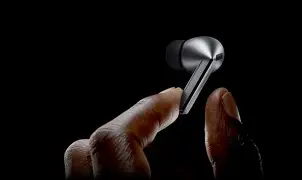
The Outdoor Athlete
Safety is paramount when running or cycling on public roads. The open-ear nature of the Buds3 acts as a natural "transparency mode" that is always on. You will hear the cyclist approaching from behind or the sound of an approaching vehicle. Coupled with the IP57 water resistance, these are a top-tier choice for safety-conscious athletes who don't want to sacrifice all their audio quality for situational awareness.
The Audiophile and the Traveler
If your primary goal is to disappear into your music or block out the world on a long-haul flight, the Galaxy Buds3 are likely not for you. In these scenarios, the lack of a physical seal is a disadvantage. You would be better served by the Galaxy Buds3 Pro or a pair of over-ear noise-canceling headphones that provide the isolation necessary for absolute silence and deep bass extension.
The Samsung Power User
If you own a Galaxy S24, a Galaxy Watch, and a Galaxy Book, the Buds3 are a no-brainer addition to your kit. The level of synergy—from the instantaneous pairing to the shared AI features—creates a user experience that is greater than the sum of its parts. The ability to use your phone's power to "shout" to your buds via SmartThings, or the high-quality 24-bit audio streaming via Samsung’s Seamless Codec, ensures you are getting the maximum value out of your hardware.
Final Verdict
The Galaxy Buds3 Truly Wireless represent a confident, if divisive, step forward for Samsung. By embracing the open-ear philosophy, Samsung has acknowledged that not everyone wants a rubber plug in their ear canal. They have successfully combined world-class industrial design with cutting-edge AI to create a pair of earbuds that sound far better than their physical form factor should allow.
The "Truth" about the Galaxy Buds3 is that they are not a "one-size-fits-all" solution, nor do they try to be. They are a specialized audio product that prioritizes health, comfort, and communication. For the user who wants to move through the world while keeping their favorite soundtrack or podcast as a constant, comfortable companion, the Buds3 are an exceptional achievement. They prove that you don't need to be isolated from your surroundings to enjoy high-quality audio, provided you have the right technology bridging the gap between the air and your ears.
If you value the feeling of "nothing in my ears" and need a device that can keep up with a busy, interconnected lifestyle, the Galaxy Buds3 are a premier choice. However, if your definition of great audio requires total silence and a heavy bass thumb, you should respect the design intentions of the Buds3 and look toward the Pro models instead. In the end, Samsung has provided a choice, and for a large segment of the population, the Buds3 will be exactly what they’ve been waiting for.