Why Everyone is Buying the Q6Fn Q6 Q6F Qled 2018 (Full Review)
I've been using the Q6Fn / Q6 / Q6F QLED 2018 series for several months now, and I wanted to share my full, honest experience after living with one as my main TV. I bought it to replace a five-year-old LED TV and expected a step up in color and brightness. What I found was a set of strong practical improvements, a few surprising compromises, and overall a very satisfying living-room TV for most users. Below I walk through the details — what I loved, what annoyed me, and how it stacks up against other options you might be considering.
Introduction: Why I chose the Q6 Series
When I decided to upgrade, my priorities were a clear image for streaming HDR content, decent gaming input lag, and an easy-to-use smart platform. The Q6 series has the QLED branding and the marketing promised brighter colors and better longevity than conventional LED panels, so it sounded like a good middle ground between budget LED models and the pricier Samsung flagships. I went with a 55-inch variant because that's the sweet spot for my living room, and after six months of daily use — movies, sports, console gaming, and background TV — I feel comfortable recommending it to a broad audience with some caveats.
Design and Build
The first thing I noticed out of the box was the understated design. The Q6's bezel is slim enough to look modern without trying to be "art gallery" minimalism. The stand is sturdy and takes up a bit more shelf depth than my old TV but feels solid — I never worried about wobble when I handed the kids a pillow near the screen. Installation was straightforward; the TV's weight is manageable for two people, and the VESA mount holes lined up with my existing stand without drama.
One design detail I appreciated was cable management: the back panel slopes in such a way that the cables tuck neatly toward the center. It's not a miracle cure for messy cords, but it helped my setup look cleaner without an external box or raceway.
Picture Quality: Real-world Performance
In my experience, the Q6 series delivers a noticeable lift in color saturation and vibrancy compared to typical LED TVs in the same price category. Colors pop, skin tones are generally natural after a quick calibration, and streaming HDR content on Netflix or Disney+ looks markedly better than my previous TV.
That said, this is not Samsung's top-tier QLED performance. What I found was:
- Excellent color volume: The Q6 nails bright, saturated scenes — animated films and nature documentaries look particularly lively.
- Good SDR performance: Standard dynamic range content appears clean and well-balanced once I disabled some of the overly aggressive motion processing options.
- Modest HDR highlights: HDR performance is better than many non-QLED competitors, but it's not the "wow" level of the higher-end Q7/Q8 models. Highlights pop, but peak brightness and specular highlights are more restrained than on flagships.
- Local dimming and blooming: The Q6 uses a modest local dimming implementation. In dark scenes with bright objects, I noticed some blooming (a soft glow around bright spots). It's not extreme, but it is visible if you're used to full-array local dimming or OLED's inky blacks.
- Viewing angles: Like many VA-type panels, contrast and color shift when you move off-axis. In my living room, people sitting slightly to the side still had a great experience, but if your seating is widely spread — a large family room or open-plan space — you may notice washed-out greys at more extreme angles.
Overall, for movies and TV in a normal living-room setup, the image quality felt like a significant upgrade from mainstream LEDs and perfectly capable for today's streaming content.
Smart Features and Usability
I've been using the built-in smart platform (Tizen) every day. In my experience the interface is fast and clean. Apps I use frequently — Netflix, Prime Video, YouTube, and Apple TV — launched quickly and streamed reliably. I liked how Samsung organizes sources and suggested apps on the home screen; it made switching between the Apple TV app and native streaming apps easy.
There were a couple of things I noticed during regular use:
Discover deals on TVs & Home Theater — updated daily.
See Deals →- Bloatware and suggestions: There are preinstalled apps and suggestions that I don't use. They can be dismissed, but they do occupy some of the initial UI real estate. It didn't slow the TV, but it's something I tidied up.
- Voice control: The remote's voice search worked for short commands and searching apps, though it occasionally struggled with longer, conversational requests. It was convenient but not flawless.
- Fast updates: Samsung's firmware updates during my ownership were infrequent but have improved a few handling quirks, particularly with HDMI-CEC behavior.
Gaming and Input Performance
I used the Q6 with an Xbox One X and a PlayStation 4 Pro. For console gaming, the TV performed well. I enabled Game Mode when I wanted the lowest input lag, and the responsiveness was solid — I didn't notice any significant delay in racers or shooters. Frame interpolation and motion smoothing off; picture felt natural and immediate.
That said, if you're a competitive esports player who needs the absolute lowest latency and the highest refresh rates, the Q6 is competent but not specialized. It doesn't have the same HDMI 2.1 features or VRR capabilities found in later or higher-end models. For casual or serious console play (non-competitive), I was very satisfied.
Sound Quality
Sound is one area where the Q6 is typical for modern flat-panel TVs: better than the cheapest sets, but not a replacement for a soundbar. Dialogue in streaming shows was clear and upfront, but the bass lacked depth and the soundstage could feel narrow during action scenes. After a few movie nights I paired the TV with a compact soundbar, which made a dramatic difference and was, in my experience, a necessary upgrade if you want immersive audio.
Everyday Reliability and Longevity
After months of daily use I didn't experience hardware failures or major software problems. Backlight uniformity is reasonable, though like many LCD-based TVs there are minor edge-lighting irregularities if you look for them on very dark backgrounds. I did notice that leaving the TV on a static channel or with a paused game for long stretches can cause a very slight temporary retention — not permanent burn-in — which faded after use. That's consistent with most LED/QLED panels and not unique to the Q6.
What I Appreciated (and Why)
- Color fidelity and pop: I loved how streaming HDR content looked out of the box — especially animated movies and sports.
- Clean, practical design: It fit well into my living room; the cable management helped keep things tidy.
- Tizen OS performance: Snappy app switching and a clean interface made everyday use pleasant.
- Good gaming responsiveness in Game Mode: Played smoothly without noticeable lag for my casual gaming sessions.
What Bothered Me (and How I Worked Around It)
- Blooming in high-contrast scenes: I noticed a soft glow around bright objects on dark backgrounds. I reduced contrast and enabled some picture processing options to mitigate it.
- Viewing angle limitations: If you have a very wide seating arrangement, colors shift. I solved this by positioning the TV more centrally and avoiding extreme side angles.
- Average built-in sound: I ultimately added a soundbar — highly recommended if you want cinematic sound.
- Preinstalled app clutter: I disabled or hid apps I didn't use to keep the home screen tidy.
Pros & Cons
- Pros:
- Excellent color reproduction for the price class
- Snappy smart platform with most major apps available
- Sturdy build and reasonable cable management
- Good gaming responsiveness with Game Mode
- Cons:
- Modest HDR peak brightness compared to flagships
- Local dimming can lead to visible blooming in certain scenes
- Viewing angles are limited — color shifts off-axis
- Built-in audio is serviceable but not immersive
How the Q6Fn / Q6 / Q6F Compares (Quick Table)
| Model | Panel / Tech | Local Dimming | Best For | Relative Price |
|---|---|---|---|---|
| Q6Fn / Q6 / Q6F (2018) | QLED (quantum dot enhanced LED) | Modest | Everyday movies, streaming HDR, casual gaming | Mid-range |
| Higher-end Q7 / Q8 (2018) | QLED with improved processing | Stronger local dimming | Brighter rooms, better HDR specular highlights | Premium |
| Standard LED (non-QLED) | LED/LCD | Varies; often weaker | Budget-conscious buyers | Budget |
| OLED (competitors) | Self-emissive pixels | Pixel-level (true black) | Best contrast and dark-room cinema | Premium/High |
Buying Guide: Is the Q6 Right for You?
Here are the practical questions I asked myself before buying — and the guidance I would give you now based on my experience.
1. What's your room like?
If your room gets a lot of natural light or you like bright viewing during the afternoon, the Q6's color volume and decent brightness make it a good match. If you watch primarily at night in a pitch-dark room and crave absolute black levels, consider OLED for deeper blacks.
2. How important is HDR performance?
If you want better HDR specular highlights (the tiny bright spots that really pop), the Q6 is solid but not the absolute peak performer. It improves over regular LEDs, but if HDR is the top priority, look at the higher Q models or OLEDs.
3. Do you have wide seating?
The Q6 performs best when viewers are relatively centered. If your living space has seating spread across a wide angle, make sure to test viewing angles before buying or consider models with better angle performance.
Find top-rated TVs & Home Theater products at great prices.
View Offers →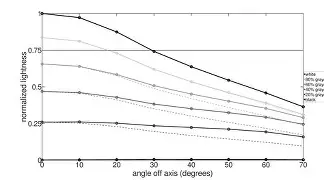
4. Will you use it for gaming?
For casual to serious console gaming, the Q6 is responsive and responsive enough in Game Mode. If you need HDMI 2.1 features like 4K@120Hz or variable refresh rate for next-gen consoles, you should look at newer models.
5. Do you care about audio?
If you're an audiophile or want cinematic sound, plan to pair the TV with a soundbar or home theater system. The TV's speakers are fine for news and casual viewing, but a separate audio system transforms movie nights.
6. How do you feel about the smart platform?
Samsung's Tizen OS is among the more polished smart TV platforms. It's fast and well-supported. If you prefer a different ecosystem (Roku, Android TV), check app availability first, but for most streaming apps I used, Tizen had everything I needed.
Final Thoughts and Conclusion
After several months with the Q6Fn / Q6 / Q6F QLED 2018, my overall impression is that this series offers a compelling balance of picture quality, smart features, and practical design. It delivers the color and vibrancy that make modern streaming and gaming enjoyable, while remaining more affordable than Samsung's highest-end QLEDs. I personally appreciated how intuitive the smart platform was, and the TV became the central hub for movies, shows, and games in my home.
There are trade-offs: local dimming isn't flawless, viewing angles are limited compared to IPS or OLED panels, and you'll likely want a soundbar for truly satisfying audio. But for people who want great-looking content without paying flagship prices, the Q6 is a strong contender. In my experience it hit the right balance of features and everyday performance, which is why so many people I know have picked it up and been happy with the results.
If you value punchy color, a responsive smart interface, and solid gaming performance without chasing the absolute top HDR peaks, the Q6 series is worth a long look. It worked for me as a reliable, enjoyable upgrade — and after months of daily use I still reach for its remote first when settling in to watch something.